


AI Advantage 2026: How FMCG leaders are moving AI roadmap to P&L impact
128 senior FMCG leaders joined Quantium in Sydney and Melbourne to explore how to turn AI strategy into measurable P&L results. See the key takeaways.
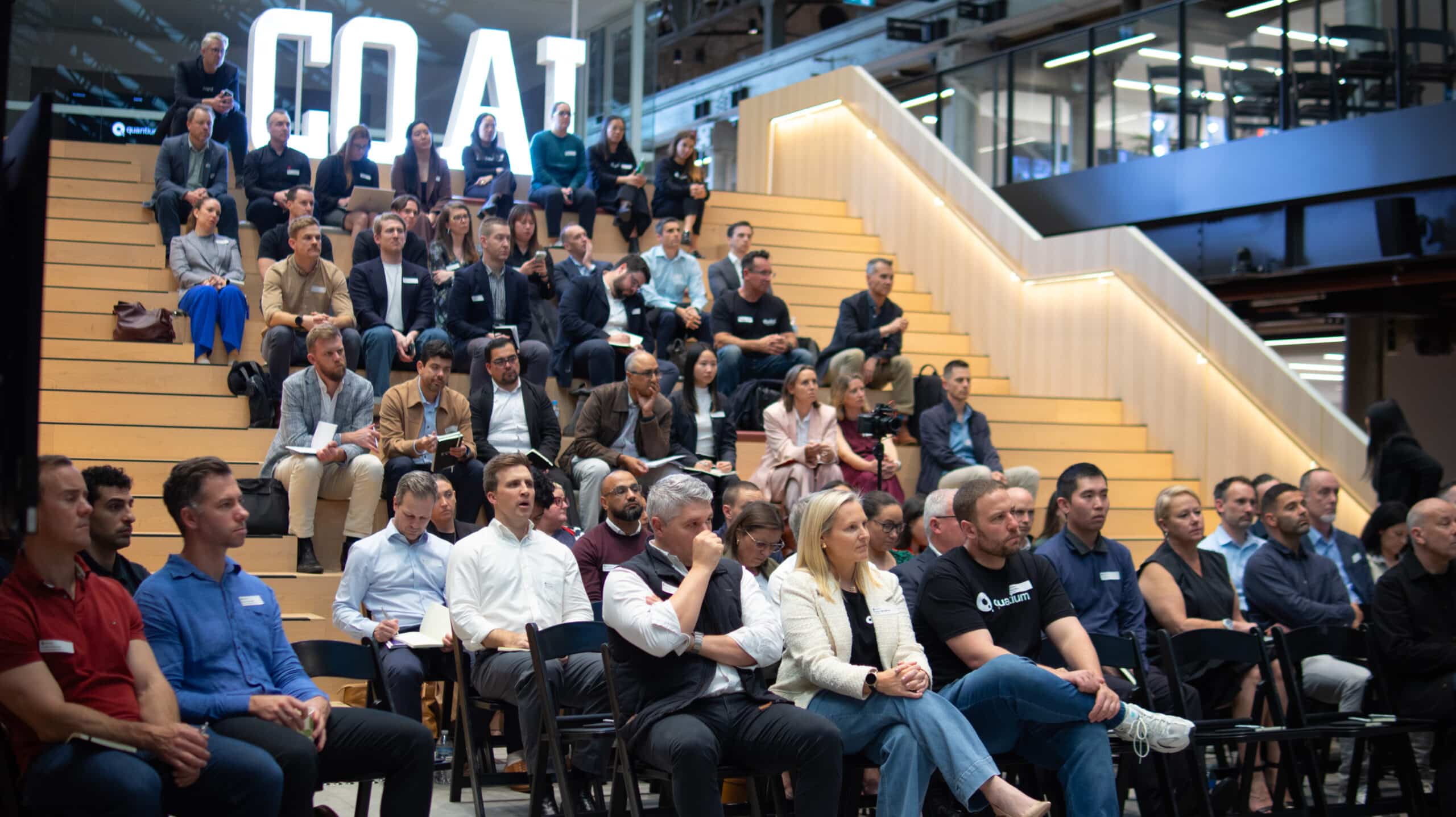
We recently hosted two invite-only evenings in Sydney and Melbourne, bringing together 128 senior leaders from 78 companies, including 48 commercial decision-makers. We uncovered that most of the FMCG leaders in the room have already taken their first step with AI through Q.Checkout AI, Quantium’s shopper analytics platform built on first-party retailer transaction data. The focus was not on the technology specifically but rather on how to utilise AI to be a sustainable competitive advantage. When every competitor has the same models and the same industry purchase data, everyone starts from the same place. The edge comes from what your team brings to it: your own brand and customer data, your category knowledge and a clear view of where to point it. The test of that edge is whether it shows up in your P&L.
Most FMCG commercial teams can show their board an AI strategy but fewer can show it on the P&L. That gap was the starting point for AI Advantage. Kylie Gleeson, Quantium’s Group Executive and Global Head of Retail and Consumer, highlighted that everyone sitting in the room has an enterprise LLM, but what was most important to note was that this is not a strategy. Having the LLM was simply step zero. Just having an LLM for personal use is table stakes and not an edge. Winning in the year ahead is going to be more about targeting than a discussion around technology for the majority of senior leaders.
Research from The Consumer Goods Forum framed the scale of the problem, showing that while 88 per cent of CEOs report seeing an AI benefit, only 14 per cent can quantify it. Three in four consumer goods companies remain stuck in pilot mode. The technology is not the constraint. Knowing where to point it is. Kylie emphasised that 75 per cent of the industry is stuck at the pilot phase and they’re not moving beyond that to start scaling, which ultimately will not capture the value that comes down. The majority in the room will be at that stage.
The question becomes, how do we as an industry get ready to leverage AI in the right way, with questions coming in thicker and faster about key processes of supply chain, pricing, promotions, and ranging?
This year, Quantium took CEOs and board-level leaders from organisations including Cochlear, Commonwealth Bank, Hays, MinterEllison, Nine, Origin Energy, Qantas and Suncorp to Seattle and San Francisco. Together, we spent time with the leadership teams building frontier AI at OpenAI, Anthropic, Google, AWS, Perplexity and Zoom, alongside investors at Andreessen Horowitz and Menlo Ventures.
One of the reasons why this study tour came about was because, Quantium did not want to stand here as observers. We underwent our own AI transformation around reimagining our own business and rethinking how we build and deliver across multiple industries.
The key themes that came up in these sessions were all related to how to mobilise your own organisation.
- Leadership – This is a precondition as an AI transformation will only succeed or fail and this is dependent on whether the most senior leader drives it personally.
- Context – Once everyone has the same frontier models and LLMs, the differentiator becomes what you feed to it such as own proprietary data, IP, domain knowledge, what’s in the minds of our best team members, the business’s strategy and plans.
- Discipline – This is the human work of redesigning how the organisation runs its processes. Most organisations are deploying a fraction of what AI can already do, a distance the industry calls the ‘capability overhang‘.
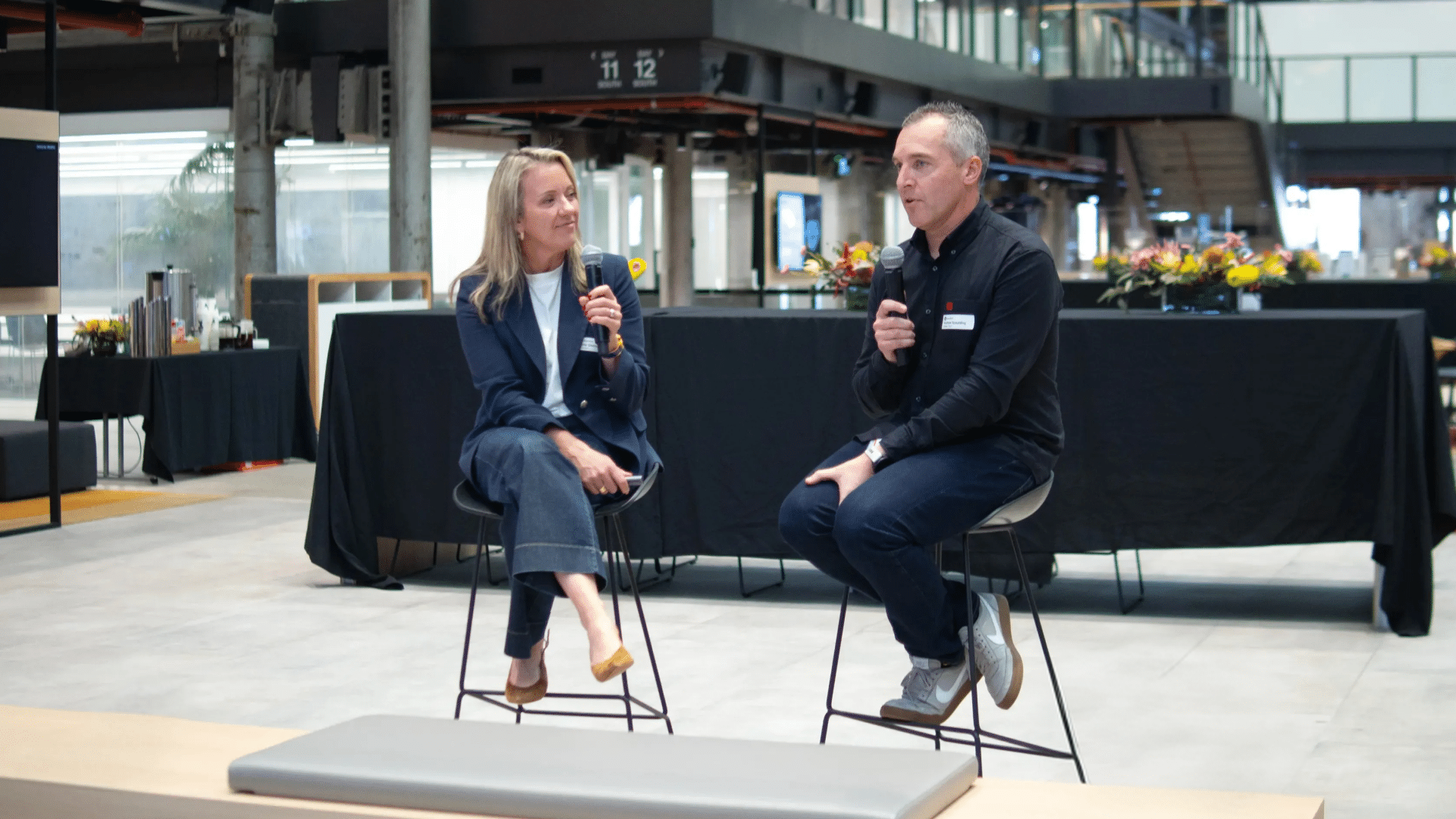
Google is a key partner of Quantium, and we were honoured to have Andrew Spaulding, Head of Engineering at Google Cloud ANZ, join Kylie for a fireside chat on what separates the FMCG businesses moving AI off the roadmap and into the P&L. What stood out the most was when he said, “If you’re not using AI, you should be and it’s not just to organise your emails but how to organise your workflows. Think of it as ‘unlearning’ and what do I have to unlearn what I used to do with the processes and what are the steps I used to take to achieve an outcome. If you can’t demonstrate how AI is solving a business problem at scale, then AI is just there for AI sake to tick a box.”
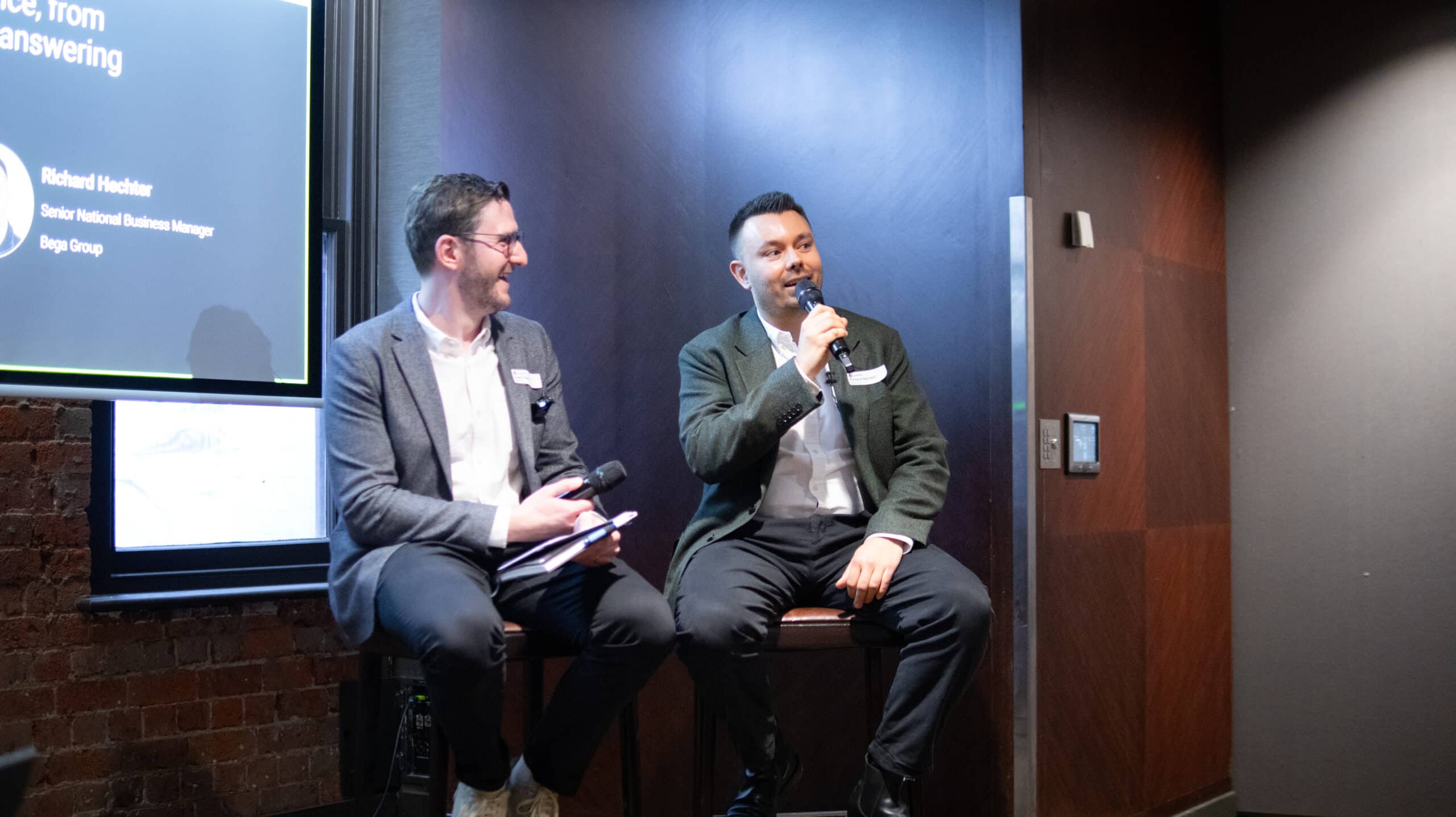
Other guests included, Richard Hechter, Senior National Business Manager at Bega Group, when asked about his experience with Q.Checkout AI to date when addressing a $10 million business question, how to begin the AI journey: “Test and learn and have a play with it. I like new shiny toys, which is probably the only reason I am this far along. Beyond that, think about the meeting that matters most to your year. Work out the hardest question that could land in it. Then be honest about whether you could answer that question while you were still in the room. We are nowhere near where we could be at Bega. But I was three weeks in when that $10 million question landed, and three weeks was enough to stay in the conversation.”
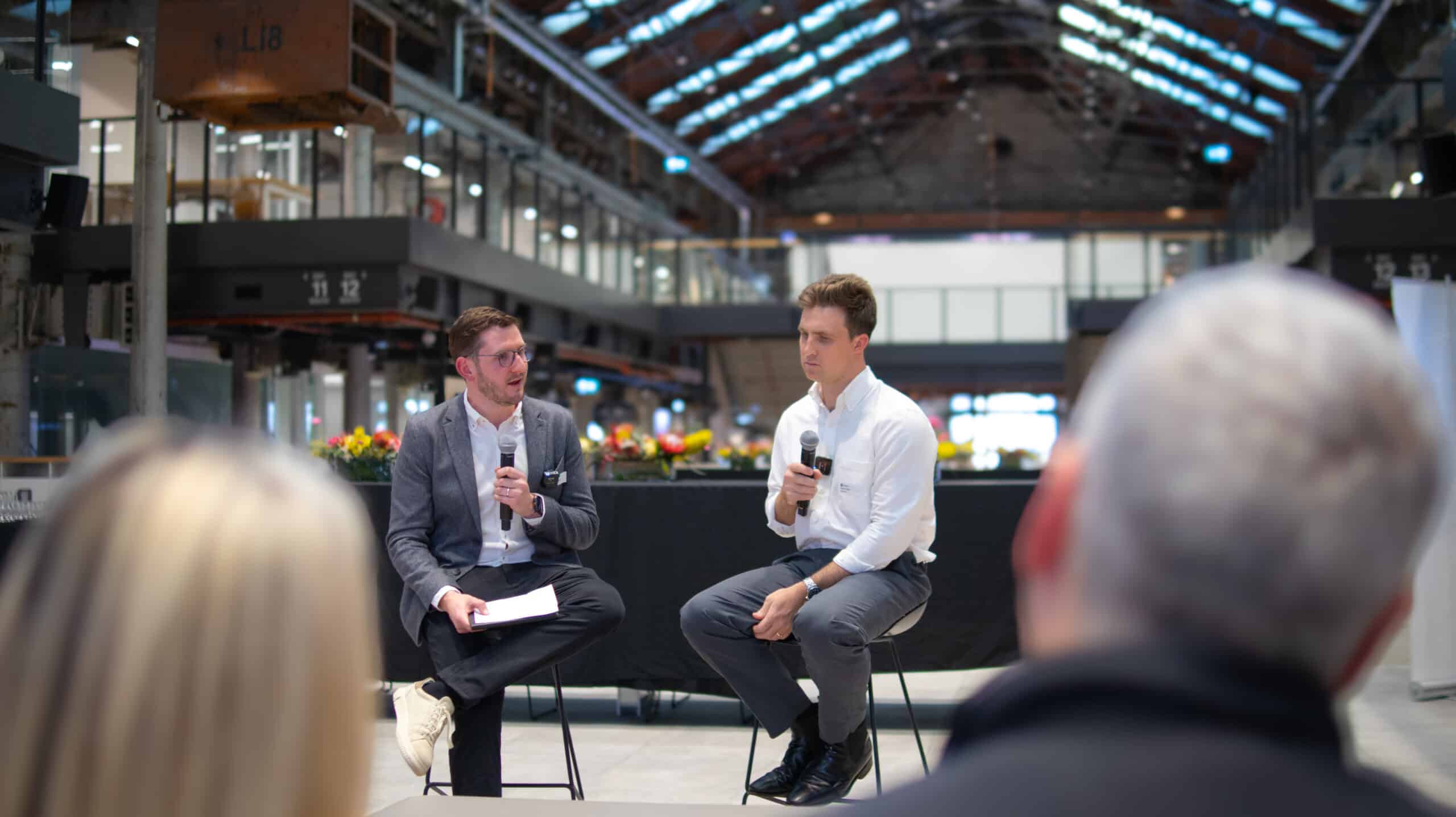
Justin Gerhardt who leads our AI solutions team globally across Retail and Consumer shared how to apply AI practically. A year ago, the most advanced enterprises were using 2.6x more AI than the average. Six months later, that figure was 7.3x and it is now 17x with most of that growth coming from agentic systems doing genuine work rather than drafting emails. The AI gap is not closing, it is compounding.
In our Sydney session, Jack Archer, Head of Grocery Sales at Unilever Australia, shared that when a brand lost traction, the instinct was to spend more on promotions. However, the data showed that the problem was penetration with younger shoppers, so the team moved investment into marketing instead.
The key theme across all our speakers was that AI is no longer a spectator sport. The question on everyone’s mind is whether you can draw a line from your biggest priorities this year, through how your teams are using AI, to a result that shows up in your P&L.
Key takeaways from AI Advantage 2026:
- Having an enterprise LLM is step zero, not a strategy. The advantage comes from knowing where to point it.
- Three in four consumer goods companies remain stuck in pilot mode, and value is only captured by scaling beyond it.
- AI transformation rests on leadership, context (proprietary data and domain knowledge) and the discipline to redesign processes and get people to adopt them.
- The gap between AI leaders and the average enterprise is compounding, driven by agentic systems doing genuine work.
Find out how Q.Checkout AI can help, talk to our team.